
George Dfouni once noted, “Hospitality is not just about providing a room; it is about creating a feeling of belonging from the very moment someone walks through your doors.” This sentiment perfectly captures why those initial moments define the entire stay.
Travelers form lasting impressions almost instantly upon entering a lobby. Whether through a warm greeting or an efficient check-in process, hotels have a brief window to build trust. These early interactions serve as the foundation for long-term loyalty and satisfaction.
We will explore the essential elements that shape this experience. From personalized service to the overall atmosphere, understanding how hotels win or lose a guest at arrival is vital for success. We will also examine how staff engagement and thoughtful follow-up strategies turn simple check-ins into memorable milestones.
Key Takeaways
- Initial impressions are formed within moments of entering the lobby.
- Warm welcomes significantly boost long-term loyalty.
- Efficiency during check-in reduces traveler stress.
- Personalization makes visitors feel valued immediately.
- Staff interactions define the quality of the service culture.
- Strategic follow-up reinforces a positive brand image.
The Importance of the First Impression
The moment a guest steps into your lobby, a silent judgment begins. This initial first impression acts as a mental anchor, shaping how the visitor perceives every detail of their stay thereafter. When the arrival process feels seamless, guests are far more likely to overlook minor imperfections later on.
The Psychology Behind First Impressions
Human beings are wired to make snap judgments based on limited information. Within seconds, a guest assesses the cleanliness, the lighting, and the demeanor of the staff to determine if they are in a safe and welcoming environment. This psychological phenomenon, often called the halo effect, means that a positive start can color the entire guest experience in a favorable light.
If the initial encounter is cold or disorganized, the guest may enter a state of heightened scrutiny. They begin to look for flaws rather than enjoying the amenities. By understanding this, hoteliers can proactively manage expectations before the guest even reaches their room.
Setting the Stage for Guest Experience
Creating a lasting first impression requires a delicate balance of efficiency and warmth. Guests value their time, so a swift check-in process is essential to prevent frustration. However, speed should never come at the expense of genuine human connection.
To truly elevate the guest experience, focus on these core pillars:
- Visual Appeal: Ensure the lobby is pristine and inviting.
- Friendly Engagement: Train staff to offer a sincere, personalized greeting.
- Clear Communication: Provide essential information without overwhelming the guest.
When these elements align, you establish a sense of trust and comfort. This foundation is vital for building long-term loyalty and ensuring that your property stands out in a competitive market.
Smooth Check-In Process
The arrival process serves as the heartbeat of a guest’s stay. When a traveler walks through the doors, they are looking for a seamless transition from the chaos of travel to the comfort of their room. Balancing efficiency with genuine warmth is the ultimate goal for any property in the hospitality industry.
Technology and Automation in Check-In
Modern guests often prefer a frictionless hotel check-in experience that respects their time. Many properties now utilize mobile apps that allow guests to bypass the front desk entirely. By offering digital keys and pre-arrival registration, hotels can significantly reduce lobby congestion.
Automation does not mean removing the human element; it means removing the administrative burden. When technology handles the paperwork, staff members are free to focus on meaningful interactions. This shift allows the hospitality industry to prioritize guest satisfaction over data entry tasks.
Personal Touch in Customer Service
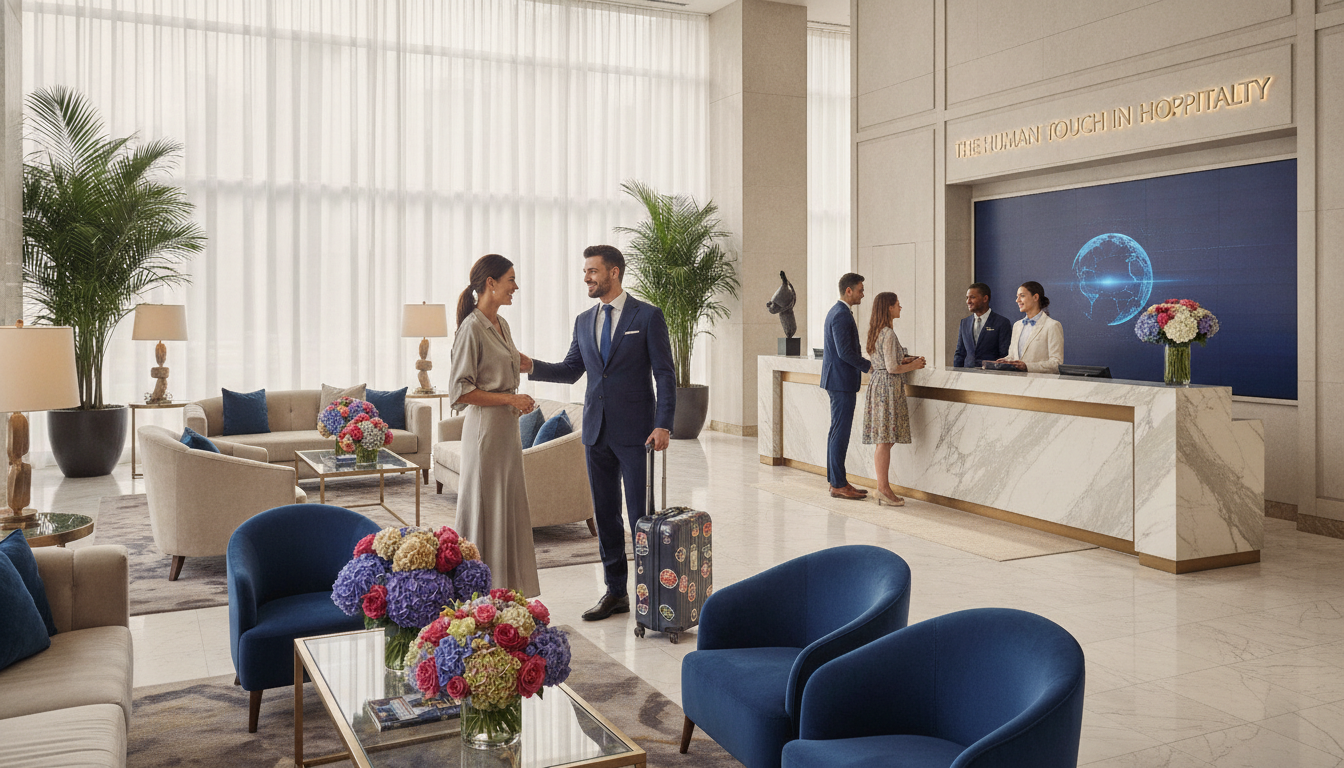
While digital tools provide speed, the human connection remains irreplaceable. A warm smile and a sincere welcome can transform a standard hotel check-in into a memorable event. Staff should be trained to look up from their screens and engage with guests directly upon their arrival.
Personalization starts by acknowledging the guest by name and offering assistance with local recommendations. These small gestures prove that the arrival process is about people, not just room assignments. When guests feel seen and valued from the very first minute, they are far more likely to return for future stays.
Creating a Welcoming Atmosphere
The moment a guest walks through the lobby doors, the physical environment begins to tell a story. Successful hotels understand that the visual and sensory landscape is just as important as the service provided at the front desk. By curating a space that feels intentional, you can immediately put travelers at ease after a long journey.
Ambiance: Lighting and Decor
Lighting serves as the foundation for a comfortable arrival experience. Harsh, clinical lighting often creates a sense of unease, whereas warm, layered lighting invites guests to relax and settle in. Many top-tier hotels utilize soft accent lamps and dimmable fixtures to transition the lobby from a busy transit zone into a cozy sanctuary.
Decor choices should reflect the local culture while maintaining a sense of timeless elegance. Furniture placement plays a vital role in how guests navigate the space, ensuring that the lobby feels open yet intimate. When the design feels cohesive, guests feel instantly welcomed and valued.
The Role of Scent and Sound
The sensory experience extends far beyond what the eye can see. A signature scent can act as a powerful anchor for brand recognition, evoking feelings of comfort and cleanliness. When used subtly, fragrance helps hotels create a distinct identity that lingers in the guest’s memory long after they check out.
Soundscapes are equally important in managing the energy of the lobby. A carefully curated playlist of soft, instrumental music can mask the noise of a bustling city or a busy check-in line. By balancing these elements, you ensure that the arrival process feels seamless and sophisticated for every guest.
Staff Training and Preparedness
Investing in your team’s ability to handle the arrival process is the most effective way to boost guest satisfaction. When employees feel confident and ready, they naturally provide a higher level of customer service that guests notice immediately. A well-trained staff member acts as the primary bridge between a traveler’s expectations and their actual experience.
Empowering Employees to Impress
True customer service excellence happens when staff members have the autonomy to make decisions on the spot. By giving your team the power to solve small issues without needing manager approval, you show them that you trust their judgment. This empowerment allows them to proactively identify opportunities to exceed expectations, such as offering a room upgrade or a local recommendation.
When employees feel supported, their enthusiasm becomes contagious. This positive energy directly influences guest satisfaction, as travelers feel welcomed by a team that genuinely cares about their comfort. A confident staff member is always better equipped to turn a standard check-in into a memorable start to a stay.
Handling Guest Queries and Complaints
Even the best hotels face challenges, but the way your team responds defines the outcome. Training staff to listen with empathy is the first step in resolving any concern quickly and effectively. When a guest feels heard, their frustration often dissipates, allowing the staff to focus on finding a practical solution.
Encourage your team to view every complaint as a chance to demonstrate superior customer service. By resolving issues during the first ten minutes, you can often save a stay and improve overall guest satisfaction. A swift, professional response shows that your brand values the guest’s time and happiness above all else.
Personalization from the Get-Go
When a hotel recognizes a guest’s unique preferences upon arrival, the entire tone of the stay shifts toward excellence. Moving beyond a standard greeting, modern properties are finding that data is the secret ingredient to a truly memorable guest experience. By shifting the focus from transactional check-ins to relational interactions, hotels can foster immediate loyalty.
Using Guest Profiles for Tailored Experiences
Modern technology allows staff to access guest profiles that highlight past stays, specific room preferences, and even dietary needs. This information empowers front-desk teams to provide a seamless and thoughtful welcome that feels tailored to the individual. It is essential, however, to handle this personal data with the utmost respect and transparency.
When a guest feels known, they are more likely to feel valued. Data-driven personalization transforms a standard arrival into a curated event. Whether it is ensuring a quiet room is ready or having a preferred beverage waiting, these small details define the quality of the guest experience.
“The goal of a great hotel is to make the guest feel like they have arrived home, even when they are thousands of miles away.”
The Impact of Welcome Gifts
A thoughtful welcome gift serves as a tangible expression of a hotel’s commitment to its guests. Rather than generic fruit baskets, successful properties often provide items that reflect local culture or the guest’s known interests. This intentional gesture creates an immediate emotional connection that sets the stage for the entire visit.
These gifts do not need to be expensive to be effective. A handwritten note or a small treat from a local bakery can leave a lasting impression on the guest experience. By aligning these gifts with the specific profile of the traveler, hotels demonstrate that they are truly paying attention to the details that matter most.
Efficient Room Preparation
While the lobby sets the tone, the guest room is where the promise of a perfect stay is either kept or broken. The transition from the front desk to the private sanctuary of a room represents the most critical phase of the arrival process. Efficiency in housekeeping ensures that this transition remains seamless and stress-free for every traveler.

Ensuring Cleanliness and Comfort
A spotless environment is the baseline expectation for any modern traveler. Housekeeping teams must coordinate closely with the front office to prioritize rooms for early arrivals, ensuring that the space is not just clean, but inviting. Every surface should be inspected to meet high standards of hygiene and presentation.
Beyond basic sanitation, the physical comfort of the room plays a massive role in guest satisfaction. Fresh linens, perfectly plumped pillows, and a comfortable room temperature create an immediate sense of relief after a long journey. When a guest walks into a room that feels meticulously prepared, their confidence in the hotel brand grows instantly.
Features That Delight Guests
Small, thoughtful touches often leave the biggest impact on a guest’s perception of value. High-quality hotel amenities, such as locally sourced snacks or premium bath products, signal that the property cares about the details. These items transform a standard room into a personalized experience that feels curated just for them.
Integrating modern technology also enhances the room experience significantly. Features like intuitive lighting controls, high-speed connectivity, and easy-to-access charging ports allow guests to settle in without frustration. By focusing on these delightful extras, hotels can ensure that the guest feels valued from the very first moment they enter their private space.
Influencing Perception with Brand Standards
Building a loyal following requires more than just a nice lobby; it demands a promise of quality that remains steady across every location. When travelers choose hotels, they are often buying into a specific level of service and comfort they have come to trust. Establishing clear operational guidelines is the secret weapon for properties aiming to deliver a seamless guest experience every single time.
Consistency Across Properties
Consistency is the bedrock of brand loyalty in the hospitality sector. When a guest visits a chain, they expect the same level of cleanliness and professionalism whether they are in New York or Los Angeles. This predictability reduces anxiety for travelers and reinforces the value of the brand.
By implementing rigorous standards, hotels ensure that every staff member understands their role in maintaining the brand image. This uniformity creates a reliable guest experience that turns first-time visitors into lifelong advocates. When every property speaks the same language of service, the brand becomes synonymous with quality.
The Importance of Reviews and Reputation
In the digital age, your reputation is often decided before a guest even arrives. Online platforms allow potential visitors to see exactly what others think about their stay. A consistent brand standard acts as a safeguard, ensuring that the reality of the stay matches the glowing reviews found online.
When hotels consistently meet or exceed expectations, they naturally earn positive feedback. This cycle of excellence builds a strong reputation that attracts new business and fosters trust. Ultimately, a superior guest experience is the most effective marketing tool a property can possess, as satisfied guests are the best ambassadors for your brand.
Building Anticipation for the Stay
Turning a simple check-in into an adventure requires a touch of foresight and genuine hospitality. When guests arrive, they are often eager to settle in, but they are also looking for cues on how to make the most of their time. By proactively sharing what your property offers, you can transform a standard visit into a truly memorable journey.
Highlighting Amenities and Services
The key to presenting hotel amenities is to focus on how they solve a guest’s immediate needs. Instead of reading a dry list, staff should frame these features as solutions for relaxation or productivity. For example, mentioning the heated pool after a long flight or the high-speed business center for a traveler on a deadline creates instant value.
This approach ensures that the guest experience feels curated rather than generic. When you highlight services that align with the guest’s purpose for visiting, you demonstrate that you are truly listening. This level of attention builds trust and excitement for the days ahead.
Introducing Local Attractions
Every traveler wants to feel like an insider, and your team is the perfect guide to help them discover the neighborhood. By asking a few simple questions about their interests, staff can provide personalized recommendations that go beyond the typical tourist traps. Whether it is a hidden coffee shop or a scenic walking trail, these suggestions add a layer of depth to their stay.
Connecting guests with local culture is a powerful way to enhance the overall guest experience. When you tailor your advice to their specific preferences, you show that you care about their personal enjoyment. Providing a curated list of hotel amenities and local gems ensures that every guest feels welcomed, informed, and ready to explore.
Utilizing Guest Feedback Immediately
Capturing feedback the moment a guest arrives is the secret to turning a potential complaint into a five-star review. By opening a dialogue early, hotels can ensure guest satisfaction remains high throughout the entire stay. This proactive approach prevents minor hiccups from snowballing into major issues that could damage a property’s reputation.
Encouraging First Impressions Surveys
Modern technology allows hotels to reach out to guests via SMS or email shortly after they settle into their rooms. These brief, thoughtful surveys ask simple questions about the check-in process and initial room impressions. By keeping these requests short, you respect the guest’s time while gathering vital data on guest satisfaction.
When guests feel that their opinions matter, they are more likely to share honest feedback. This transparency gives management a clear view of what is working and what needs immediate attention. Quick surveys act as a safety net, catching small frustrations before they become permanent memories.
Adapting Services Based on Real-time Input
The true power of feedback lies in the ability to act on it instantly. When a guest reports a minor issue, such as a missing amenity or a temperature preference, staff should be empowered to resolve it immediately. This level of responsiveness demonstrates a genuine commitment to guest satisfaction that builds lasting loyalty.
Real-time adjustments transform a standard stay into a personalized experience. Whether it is adjusting a room assignment or providing a small, unexpected perk, these actions show that the hotel is listening. By prioritizing guest satisfaction through active listening, properties can create a welcoming environment where every visitor feels truly cared for.
Leveraging Social Proof
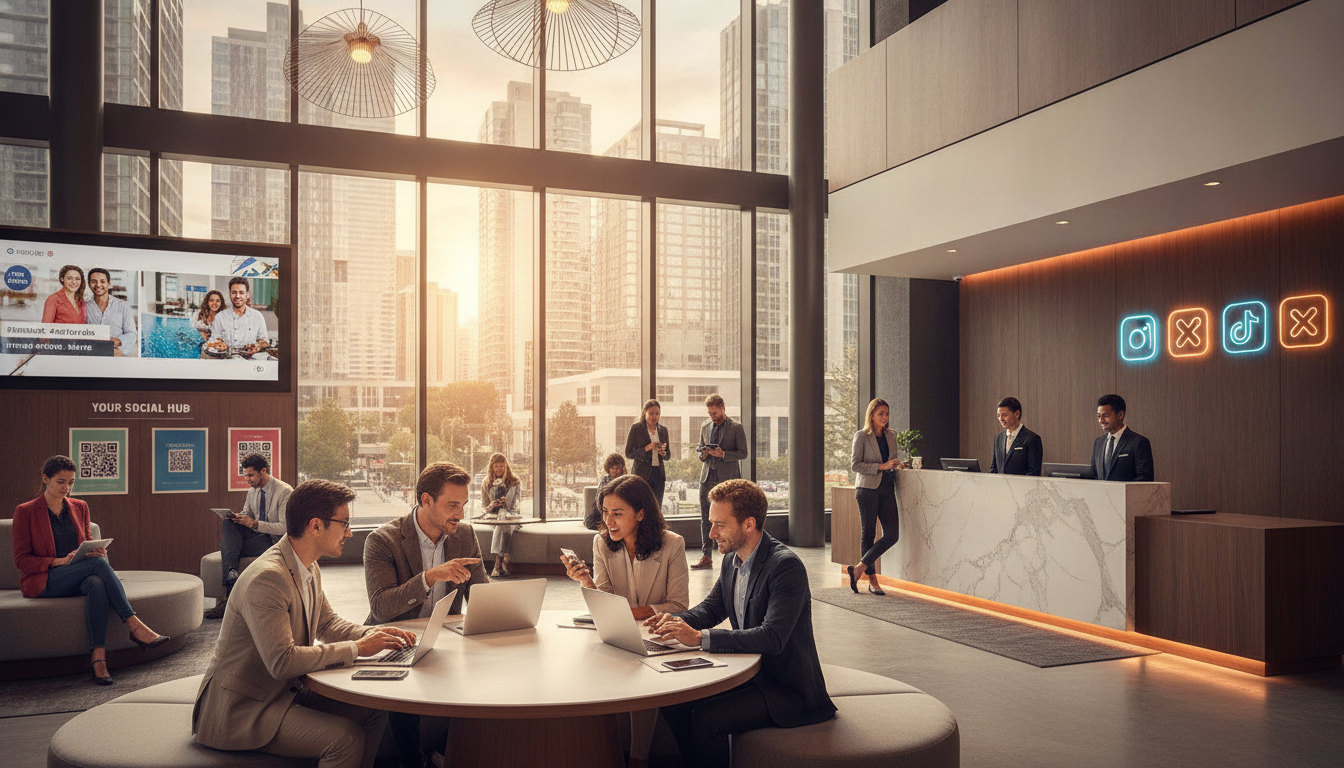
Social proof acts as a digital handshake that shapes the guest experience before arrival. When travelers research their next destination, they look for validation from those who have already walked through your doors. This collective feedback creates a powerful first impression that sets the tone for the entire stay.
Displaying Customer Testimonials
Transparency is the cornerstone of building trust with potential guests. By showcasing authentic testimonials on your website, you provide a window into the genuine quality of your service. Honest feedback helps manage expectations and highlights the unique value your property offers.
Avoid the temptation to curate only perfect reviews. Guests are savvy enough to spot overly polished marketing copy. Instead, feature a mix of detailed stories that emphasize the warmth of your staff and the comfort of your facilities to ensure a positive first impression.
Using Influencers and Online Reviews
Online reviews serve as a modern-day word-of-mouth recommendation that carries significant weight. Encouraging satisfied guests to share their experiences on platforms like TripAdvisor or Google helps build a library of social proof. This content acts as a roadmap for future visitors, guiding their perception of your brand.
When partnering with influencers, prioritize genuine storytelling over scripted promotions. An influencer who shares a real, unscripted moment from their stay provides more value than a standard advertisement. This approach ensures that the first impression formed by their audience remains grounded in reality, fostering long-term loyalty and trust.
Capitalizing on the Arrival Experience
Mastering the arrival process is a secret weapon for modern hotels looking to build lasting loyalty. When guests feel valued from the very first moment, they are far more likely to return. By focusing on flexibility and genuine hospitality, you can turn a routine check-in into a highlight of their entire trip.
Offering Late Check-In Options
Travel plans often change, and guests frequently arrive at unconventional hours. Providing a seamless experience for late arrivals is essential for high-performing hotels. You can ensure a smooth transition by implementing the following strategies:
- Digital Key Access: Allow guests to bypass the front desk entirely using mobile apps.
- Clear Communication: Send automated, detailed instructions regarding after-hours entry well before arrival.
- 24/7 Virtual Support: Ensure a staff member or a reliable chatbot is available to answer urgent questions at any time.
When guests know they can access their room without stress, their anxiety levels drop significantly. This reliability builds trust before they even step inside their room.
Crafting Unique Arrival Rituals
Beyond logistics, the arrival process offers a perfect stage for cultural storytelling. Small, thoughtful gestures can make a guest feel instantly at home. Consider these creative ways to elevate the welcome:
“Hospitality is not just about providing a bed; it is about creating a sense of belonging the moment a guest walks through the door.”
Many successful hotels now incorporate local traditions to create a memorable first impression. For example, offering a signature herbal tea or a small, locally sourced snack can ground the guest in the destination. These unique rituals transform a standard check-in into a warm, personalized experience that guests will remember long after they check out.
The Role of Follow-Up Communication
The arrival experience sets the tone for a visit, but the journey continues long after the guest enters their room. Proactive communication bridges the gap between a single stay and a lifelong relationship with your brand. By reaching out after the initial check-in, you demonstrate a commitment to high-quality customer service that resonates with modern travelers.
Personalized Outreach and Feedback
Sending a digital note shortly after arrival shows that your team values the individual. Ask specific questions about their comfort to ensure guest satisfaction remains high throughout their stay. This simple gesture proves that your staff listens and cares about the details that matter most to your visitors.
Driving Future Loyalty
Smart hotels like Marriott or Hilton often use post-stay incentives to encourage repeat visits. Offering a discount on a future booking or a loyalty point bonus turns a positive memory into a reason to return. These small rewards reinforce the value of your brand and keep your property at the top of their list for upcoming travel plans.
Focusing on these final touchpoints creates a complete cycle of care. Your dedication to excellence during the first ten minutes and beyond builds a reputation that stands out in a competitive market. Keep refining your approach to ensure every guest feels seen, heard, and eager to book their next stay.
FAQ
Why are the first ten minutes of the arrival process so critical for guest satisfaction?
In the hospitality industry, the first ten minutes are often referred to as the “moment of truth.” This brief window is how hotels win or lose a guest at arrival because it sets the psychological tone for the entire stay. Brands like The Ritz-Carlton understand that a seamless transition from the curb to the room creates a “halo effect,” where a positive first impression leads guests to overlook minor issues later on. If the hotel check-in is clunky or the welcome feels cold, the guest may remain hyper-critical for the duration of their visit.
How can technology improve the hotel check-in without losing the personal touch?
Many modern travelers value efficiency, which is why brands like Hilton have found great success with their Digital Key and mobile check-in options. By automating the administrative side of the arrival process, front-desk teams are freed up to focus on high-quality customer service. Instead of staring at a computer screen to type in credit card details, staff can engage in eye contact, offer a glass of sparkling water, and provide personalized recommendations, ensuring the guest experience remains warm and human.
What specific hotel amenities contribute most to a positive first impression?
It is often the sensory details that resonate most. For instance, Westin Hotels & Resorts is famous for its signature White Tea scent, which immediately signals luxury and relaxation the moment a guest enters the lobby. Beyond scent, high-quality hotel amenities like a well-stocked hydration station, comfortable lobby seating with accessible charging ports, and even the iconic warm chocolate chip cookie at DoubleTree by Hilton serve as tangible symbols of hospitality that drive guest loyalty.
How does staff training influence how hotels win or lose a guest at arrival?
A hotel’s greatest asset is its people. Even the most beautiful lobby cannot mask poor customer service. Training programs, such as those at Marriott International, empower employees to read a guest’s body language and adapt their approach. If a guest arrives looking exhausted after a long flight, a trained professional knows to expedite the arrival process rather than reciting a long list of features. This level of intuition is a key driver of guest satisfaction.
Can personalization really be achieved during the initial hotel check-in?
Absolutely. By leveraging data from guest profiles, hotels can provide a “home away from home” feeling instantly. For example, a Four Seasons guest who previously requested extra hypoallergenic pillows might find them already placed in their room upon arrival. When a desk agent acknowledges a guest’s return or remembers a specific preference, it transforms a standard transaction into a personalized guest experience that fosters long-term loyalty.
What role does room preparation play in the overall guest experience?
The arrival process doesn’t end at the front desk; it ends when the guest opens their room door. If the room isn’t pristine or the temperature is uncomfortable, the initial “win” at the front desk is immediately lost. Leading brands like InterContinental Hotels Group (IHG) emphasize rigorous housekeeping standards to ensure that the physical environment matches the promise of the warm welcome received in the lobby.
How should hotels handle guest queries or complaints during arrival?
Transparency and speed are vital. If a room isn’t quite ready, a proactive staff member at a Hyatt property might offer a complimentary coffee or a voucher for the hotel bar while the guest waits. Successfully resolving a small friction point during the first impression phase can actually increase guest satisfaction more than if no problem had occurred at all, as it demonstrates the hotel’s commitment to excellent service.
Is follow-up communication important right after arrival?
Yes, a quick follow-up is a hallmark of premium service. Whether it’s a courtesy call to the room ten minutes after check-in or a friendly text message via a guest app, checking in to see if the room meets expectations shows that the hotel is attentive. This allows the staff to fix any issues in real-time, ensuring that how hotels win or lose a guest at arrival ends on a high note, encouraging positive online reviews and future bookings.
Leave a Reply