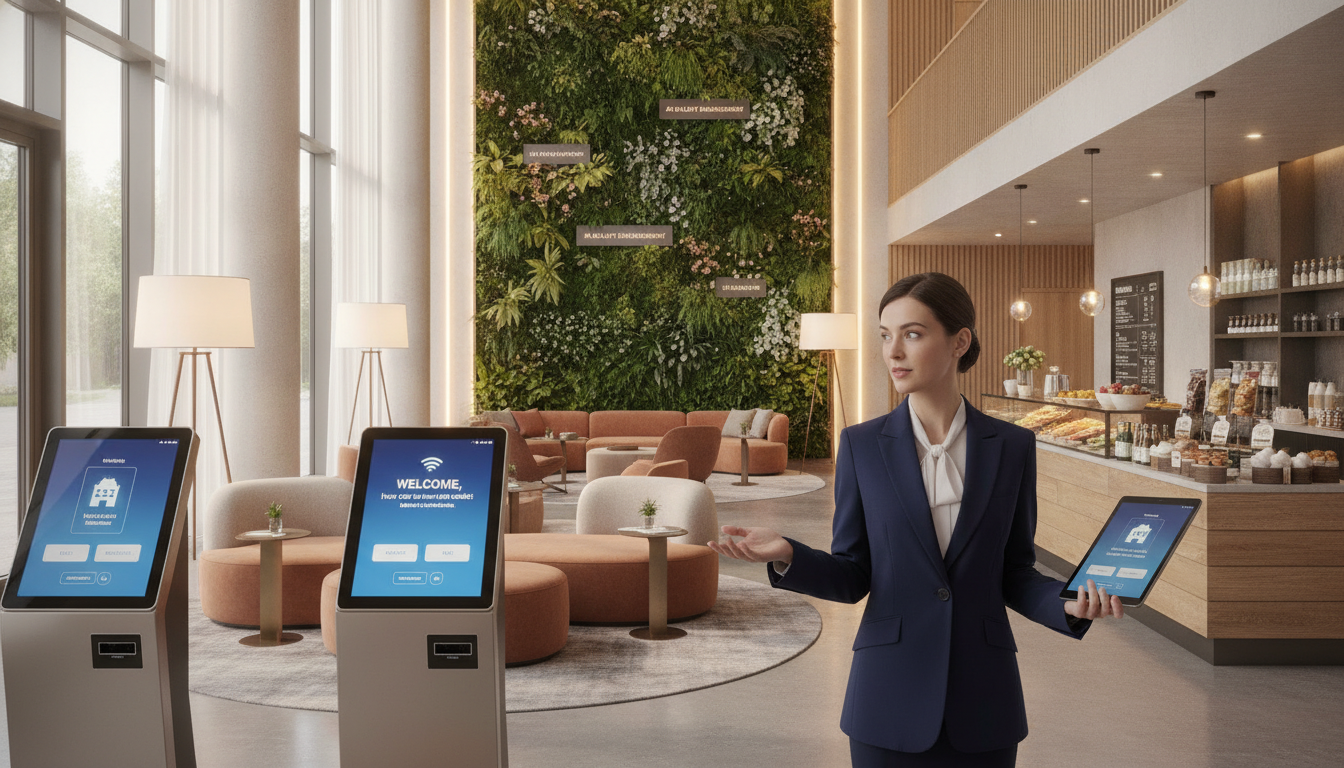
The landscape of modern travel is shifting rapidly. As industry expert George Dfouni once noted, “True hospitality is not just about providing a room; it is about crafting an experience that resonates with the soul of the traveler.” This philosophy remains the gold standard for properties aiming to thrive today.
Travelers now seek a perfect balance between high-tech convenience and genuine human connection. Understanding these evolving priorities is essential for any brand looking to build lasting loyalty. We have identified the 10 hotel amenities guests actually care about in 2026 to help you navigate these changing expectations.
Personalization and seamless digital integration are no longer optional luxuries. They are the foundation of a memorable stay. By focusing on these specific features, properties can ensure they meet the needs of the modern, discerning visitor.
Key Takeaways
- Prioritize seamless digital check-in processes to save time.
- Focus on high-speed, reliable connectivity for remote work needs.
- Enhance the human touch through personalized local recommendations.
- Invest in sustainable practices that align with eco-conscious values.
- Ensure wellness offerings are accessible and integrated into the stay.
Introduction to Hotel Amenities in 2026
In 2026, the success of a hotel often hinges on its ability to provide meaningful guest experiences. The hospitality industry is currently undergoing a significant transformation, moving away from generic offerings toward highly intentional, guest-centric service models. Travelers today expect their accommodations to act as an extension of their lifestyle rather than just a place to sleep.
Hotels that thrive in this competitive global market are those that anticipate needs before they are even voiced. By focusing on quality over quantity, properties can create a lasting impression that encourages repeat visits. Understanding what truly adds value is the first step in building a loyal customer base.
Why Amenities Matter to Guests
For the modern traveler, amenities serve as the primary differentiator when comparing potential lodging options. Guests often view these features as a reflection of the hotel’s commitment to their comfort and well-being. A well-curated selection of facilities can turn a standard business trip into a memorable personal retreat.
When a property invests in the right tools and services, it signals to the guest that their time is respected. Whether it is seamless digital access or wellness-focused additions, these elements directly influence booking decisions. Ultimately, guests choose properties that offer tangible benefits that align with their specific travel goals.
Trends Shaping Hotel Stays
The current landscape is defined by a push toward hyper-personalization and seamless technological integration. Hotels are increasingly using data to tailor the guest experience, ensuring that every stay feels unique and relevant. This shift ensures that service remains proactive rather than reactive in an ever-changing environment.
Sustainability and wellness have also moved from niche interests to core expectations for many travelers. Properties that integrate eco-friendly practices and health-conscious amenities are finding themselves at the forefront of industry standards. By staying ahead of these trends, hotels can maintain a strong competitive edge while meeting the evolving demands of their guests.
High-Speed Wi-Fi: A Must-Have
Today, a hotel stay is defined less by the thread count of the sheets and more by the strength of the Wi-Fi signal. For the contemporary traveler, the ability to connect instantly is no longer optional; it is a baseline requirement for any reputable property. Whether a guest is checking emails or streaming high-definition content, they expect a seamless digital experience from the moment they step into the lobby.
Importance of Reliable Connectivity
Reliable internet access has transitioned from a luxury perk to a fundamental utility for every traveler. When a guest encounters a weak signal or frequent disconnections, their perception of the entire property often suffers. Positive reviews and repeat bookings are frequently tied to how well a hotel manages its digital infrastructure.
Business professionals, in particular, rely on stable connections to conduct video conferences and manage sensitive data. If the network fails, the hotel fails to meet the basic needs of the modern workforce. Providing consistent uptime is therefore a strategic investment in guest satisfaction and long-term loyalty.
Speed vs. Accessibility: What Guests Want
Hotels often struggle to balance the demand for free, open access with the need for high-speed performance. While guests appreciate complimentary Wi-Fi, they are often willing to pay for premium tiers if it guarantees faster speeds for heavy tasks. This tiered approach allows properties to manage bandwidth effectively while catering to different user needs.
The following table outlines the common expectations for modern hotel connectivity tiers:
| Service Tier | Typical Use Case | Speed Expectation |
|---|---|---|
| Basic Access | Email and Social Media | Standard (5-10 Mbps) |
| Premium Tier | HD Streaming and Gaming | High (25-50 Mbps) |
| Business Pro | Video Conferencing/VPN | Ultra-Fast (100+ Mbps) |
Ultimately, the goal is to provide a frictionless experience that keeps guests connected without frustration. By prioritizing both speed and accessibility, hotels can ensure that every visitor remains satisfied throughout their stay. This commitment to digital excellence remains a cornerstone of the modern hospitality landscape.
Eco-Friendly Practices and Amenities
Sustainability has moved from a niche preference to a core expectation for today’s hotel guests. Modern travelers are increasingly conscious of their environmental footprint and actively seek out properties that align with their personal values.
Implementing sustainable practices in hotels is no longer optional. It has become a core component of a successful brand identity that resonates with the environmentally aware public.
Sustainable Practices That Appeal to Travelers
Guests appreciate small changes that make a big difference in their daily routine. Many hotels are now replacing single-use plastic bottles with refillable toiletries to reduce waste significantly.
Energy-efficient lighting systems and smart thermostats are also becoming standard features. These eco-friendly hotel amenities help conserve resources while maintaining a high level of comfort for every visitor.
Water conservation programs, such as optional towel and linen reuse, allow guests to participate directly in conservation efforts. These simple initiatives empower travelers to feel like they are contributing to a healthier planet during their stay.
Green Certifications That Matter
Building trust with guests requires more than just promises. Obtaining recognized green certifications provides a transparent way for hotels to prove their commitment to the environment.
Certifications like LEED or Green Key serve as a seal of approval for travelers. They offer peace of mind, knowing that the property meets rigorous standards for energy efficiency and waste management.
By prioritizing sustainable practices in hotels, brands can foster deeper loyalty among their guests. Investing in these eco-friendly hotel amenities is a smart strategy for long-term success in the competitive hospitality market.
Personalized Check-In and Check-Out Experiences
The traditional front desk experience is rapidly evolving to meet the needs of today’s tech-savvy guests. Modern travelers value their time and prefer a smooth transition from the lobby to their room. By prioritizing efficiency, hotels can ensure that every guest feels welcomed without the burden of long wait times.
Technology That Enhances Convenience
The implementation of contactless check-in/check-out systems has become a game-changer for the hospitality industry. These digital solutions remove unnecessary friction, allowing guests to bypass the front desk entirely if they choose. By utilizing kiosks or mobile keys, hotels reduce administrative hurdles and allow staff to focus on providing meaningful, high-touch interactions for those who need extra assistance.
This shift toward automation does not mean a loss of hospitality. Instead, it empowers staff to engage with guests in more intentional ways. When the logistical side of arrival is handled digitally, the human element becomes a premium service rather than a mandatory process.
Role of Mobile Apps in Customization
Mobile applications serve as the central hub for personalized hotel services. Through these platforms, guests can easily select room preferences, such as pillow types or floor levels, before they even arrive. This level of customization ensures that the room is perfectly prepared to meet individual needs upon entry.
Furthermore, these apps provide curated local recommendations based on the guest’s unique profile. Whether a traveler is looking for quiet dining spots or high-energy fitness classes, the app acts as a personal concierge. By leveraging data, hotels create a seamless journey that feels tailored specifically to the person staying with them.
| Feature | Traditional Method | Modern Digital Method |
|---|---|---|
| Arrival Process | Front desk queue | Mobile bypass |
| Room Selection | Assigned at desk | Pre-arrival choice |
| Service Requests | Phone call to staff | In-app messaging |
| Departure | Physical checkout | One-tap mobile exit |
Ultimately, the goal is to provide a frictionless experience that respects the guest’s time. By combining contactless check-in/check-out with personalized hotel services, properties can build lasting loyalty. This modern approach ensures that every stay begins and ends on a high note.
Smart Rooms and Automation Features
Smart room technology is rapidly becoming the gold standard for luxury guest experiences. Hotels are moving away from static environments to create spaces that feel alive and responsive to human presence. This evolution ensures that every stay feels tailored to the specific needs of the individual traveler.
Benefits of Smart Technology in Hotels
The primary advantage of integrating smart room technology is the seamless blend of comfort and efficiency. Guests enjoy a frictionless experience where they control their surroundings with minimal effort. This level of convenience fosters a sense of relaxation that is hard to replicate in traditional settings.
From the hotel’s perspective, automation offers significant operational gains. Energy efficiency is a major highlight, as systems automatically dim lights or adjust thermostats when a room is unoccupied. These sustainable practices help reduce the carbon footprint while maintaining high standards of service.
Popular Smart Devices Guests Are Looking For
Travelers today look for specific tools that simplify their daily routines while away from home. Modern rooms now feature intuitive hubs that act as the central nervous system for the entire space. Guests frequently seek out the following high-tech amenities during their stay:
- Voice-controlled lighting that allows for instant ambiance adjustments.
- Automated climate systems that learn and maintain preferred temperature settings.
- Integrated entertainment hubs for easy streaming of personal content.
- Smart mirrors that provide local weather updates and transit information.
These devices transform a standard hotel room into a highly intuitive environment. By prioritizing these innovations, properties can meet the rising expectations of tech-savvy guests. Ultimately, the goal is to provide a stay that feels both futuristic and incredibly welcoming.
In-Room Dining and Snacks
The landscape of hotel food service is shifting toward a focus on wellness and convenience. Guests no longer settle for basic room service menus that lack variety or nutritional value. Instead, they seek thoughtful culinary experiences that mirror the quality of high-end restaurants.
The Demand for Healthy Options
Modern travelers prioritize their health even while on the road. They actively look for menus featuring locally sourced ingredients and clear labeling for dietary restrictions like gluten-free, vegan, or keto options.
Hotels that adapt to these needs see higher satisfaction rates. Providing fresh, nutrient-dense snacks and meals helps guests maintain their routines. It shows that the property cares about their long-term well-being rather than just providing a quick fix.
“One cannot think well, love well, sleep well, if one has not dined well.”
24/7 Availability vs. Local Cuisine
Balancing the need for round-the-clock service with the desire for authentic local flavors presents a unique logistical challenge. While 24/7 availability offers unmatched convenience for late-night arrivals, curated local menus provide a sense of place that guests truly value.
Many properties now bridge this gap by offering a hybrid model. They provide a limited 24/7 menu for essentials alongside a rotating selection of dishes from nearby popular eateries. This strategy ensures that guests always have access to food while enjoying the local culture.
To elevate the experience, hotels are integrating in-room entertainment options that allow guests to browse menus and order food seamlessly through their television or mobile device. When combined with a cozy atmosphere, these in-room entertainment options turn a simple meal into a relaxing evening. This synergy between technology and dining creates a truly memorable stay for every visitor.
Fitness and Wellness Amenities
Wellness has evolved into a core component of the contemporary hospitality experience. Travelers now seek properties that actively support their physical and mental health throughout their stay. By offering high-quality wellness facilities, hotels can ensure that guests feel rejuvenated and cared for from the moment they arrive.
Popular Fitness Trends Among Travelers
Modern guests often look for more than a basic treadmill in a basement room. They prefer versatile spaces that accommodate high-intensity interval training, functional movement, and dedicated yoga sessions. Many properties now integrate high-tech gym equipment that syncs with personal fitness apps to track progress seamlessly.
Creating a dedicated space for mindfulness is equally important. Hotels that provide quiet, sunlit areas for stretching or meditation often see higher guest satisfaction scores. These thoughtful additions turn a standard workout into a refreshing part of the daily routine.
Spa Services That Enhance Guest Experience
Premium spa treatments serve as essential luxury hotel amenities that help a property stand out in a crowded market. Beyond traditional massages, guests are increasingly interested in holistic therapies like aromatherapy, hydrotherapy, and personalized wellness consultations. These services provide a sense of exclusivity that defines a high-end stay.
When a hotel invests in a world-class spa, it signals a deep commitment to the guest’s overall well-being. Providing a holistic approach to relaxation allows visitors to disconnect from the stresses of travel. Ultimately, these luxury hotel amenities transform a simple overnight trip into a memorable retreat that encourages repeat visits.
Outdoor Spaces and Roof Top Areas
Modern travelers increasingly seek hotels that offer a breath of fresh air beyond the four walls of their guest room. These open-air environments provide a necessary escape from the traditional hotel layout, allowing guests to recharge in a more dynamic setting. By integrating nature into the property design, hotels create a sanctuary that feels both expansive and welcoming.
The Appeal of Natural Settings
Guests often feel a deep sense of relief when they can step out into a well-maintained garden or a quiet terrace. These natural spaces serve as a peaceful retreat where travelers can disconnect from the digital noise of their daily lives. Whether it is a lush courtyard or a landscaped patio, the presence of greenery significantly boosts the overall mood of a visitor.
The ability to enjoy fresh air while remaining on-site is a major factor in guest satisfaction. Hotels that prioritize these environments demonstrate a commitment to the well-being and comfort of their guests. This connection to the outdoors helps travelers feel more grounded and relaxed during their stay.
How Outdoor Amenities Enhance Stays
Rooftop bars and terraces have evolved into vibrant social hubs that define the character of a property. These elevated spaces offer breathtaking views that guests love to capture and share on social media platforms. By providing a unique backdrop for evening drinks or morning coffee, hotels create memorable experiences that encourage repeat visits.
Beyond the aesthetic appeal, these areas foster a sense of community among travelers. Guests often gather in these open spaces to socialize, making the hotel feel like a lively destination rather than just a place to sleep. Properties that successfully leverage their outdoor square footage often see higher engagement levels and more positive online reviews.
Ultimately, the strategic use of outdoor space transforms a standard stay into an immersive experience. When hotels invest in these areas, they provide guests with the freedom to explore and unwind without ever leaving the premises. This blend of convenience and atmosphere is a hallmark of top-tier hospitality in 2026.
Loyalty Programs and Rewards
A robust loyalty program serves as the bridge between a one-time visitor and a lifelong brand advocate. By fostering long-term relationships, hotels can effectively encourage repeat business in an increasingly crowded market. These programs transform standard stays into meaningful experiences that keep guests returning to their favorite properties.
Types of Programs Guests Appreciate
Travelers today look for flexibility and tangible value within the programs they join. Many successful brands utilize tiered systems that reward frequent stays with escalating perks. These structures often include a mix of financial savings and exclusive access to unique property features.
- Points-based systems: Earn points for every dollar spent on rooms or dining.
- Tiered status levels: Unlock higher benefits like late check-out or room upgrades.
- Experiential rewards: Gain access to local tours or private event invitations.
- Comfort upgrades: Receive priority access to rooms featuring premium bedding and linens for a better night’s sleep.
Importance of Recognition and Benefits
Beyond points, guests deeply value being recognized for their history and personal preferences. A hotel that remembers a guest’s favorite room type or dietary needs creates a sense of belonging. This level of personalized service is often more impactful than simple discounts.
When a property anticipates needs before the guest arrives, it builds significant trust. Providing access to premium bedding and linens as a loyalty perk shows that the hotel cares about the quality of the guest’s rest. Recognition is the cornerstone of modern hospitality, turning a simple transaction into a lasting partnership.
| Tier Level | Reward Type | Key Benefit |
|---|---|---|
| Silver | Standard | Free Wi-Fi |
| Gold | Enhanced | Room Upgrades |
| Platinum | Premium | Exclusive Lounge Access |
Local Experiences and Cultural Offerings
Hotels are transforming into vibrant hubs that bridge the gap between visitors and the unique culture of their surroundings. Modern travelers no longer want to remain isolated within the walls of their accommodation. Instead, they seek authentic interactions that provide a genuine sense of place.
By acting as a gateway to the neighborhood, properties can offer value that far exceeds standard room amenities. This shift requires a thoughtful approach to hospitality that prioritizes local heritage and community spirit.
How Hotels Can Connect Guests to the Community
Successful hotels now function as curators of local life. They create meaningful touchpoints that allow guests to engage with the destination on a deeper level. Consider these effective strategies for fostering community engagement:
- Partnerships with local artisans: Displaying and selling handmade goods from neighborhood creators.
- Curated cultural tours: Offering guided walks that highlight hidden gems rather than just popular tourist traps.
- Interactive workshops: Hosting sessions on local crafts, traditional cooking, or regional language basics.
- Community event calendars: Providing guests with real-time information on festivals, markets, and neighborhood gatherings.
These initiatives help guests feel like temporary residents rather than mere tourists. When a hotel supports the local economy, it creates a mutually beneficial relationship that enhances the reputation of the brand.
The Rise of Experiential Travel
The modern traveler is driven by the desire for transformation and discovery. They prioritize memories and personal growth over traditional luxury markers. This trend toward experiential travel means that the hotel experience must be immersive and highly personalized.
“Travel is the only thing you buy that makes you richer in experience and perspective.”
Hotels that embrace this philosophy understand that their role is to facilitate discovery. By moving beyond the physical amenities of the room, they provide a truly memorable stay. This approach ensures that guests leave with a deeper appreciation for the culture they have explored.
Conclusion: Meeting Guests’ Expectations in 2026
Modern travelers demand a seamless blend of digital efficiency and genuine human warmth. Hotels that prioritize these core values will thrive in a competitive landscape. Industry expert George Dfouni emphasizes that the path to success lies in anticipating needs before guests even arrive.
Summary of Essential Amenities
The best properties focus on high-speed connectivity, sustainable operations, and personalized service. These elements create a foundation for guest satisfaction. By integrating smart room technology with local cultural experiences, brands build lasting loyalty. George Dfouni notes that these features are no longer optional perks but standard requirements for the modern traveler.
Future Trends to Watch in the Hospitality Industry
The hospitality sector moves toward a future where automation supports rather than replaces human interaction. Data-driven insights will allow hotels to tailor every stay to individual preferences. Travelers seek authentic connections that go beyond the walls of their rooms. Keeping pace with these shifts ensures that hotels remain relevant and welcoming for years to come.
FAQ
What are the most important features travelers look for in a hotel stay today?
According to industry expert George Dfouni, the 10 hotel amenities guests actually care about in 2026 revolve around a seamless blend of smart room technology and high-touch personalized hotel services. Modern travelers prioritize reliability, sustainability, and comfort above all else when selecting their accommodations.
How has the check-in process evolved for the modern traveler?
Convenience is king, which is why contactless check-in/check-out has become a standard expectation. By utilizing mobile apps to bypass the front desk, guests enjoy a friction-free arrival, allowing hotel staff to focus on delivering more tailored, personalized hotel services during their stay.
Why is sustainability such a significant factor in guest satisfaction?
Today’s travelers are more environmentally conscious than ever, often choosing properties that demonstrate a commitment to sustainable practices in hotels. From eco-friendly hotel amenities like refillable high-end toiletries to energy-efficient building systems, green initiatives are now a core part of a brand’s identity and appeal.
What kind of technology should a guest expect in their room?
A: Smart room technology has moved beyond simple gadgets to fully integrated systems. Guests now look for voice-controlled lighting, automated climate settings, and robust in-room entertainment options that allow them to stream their own content effortlessly onto high-definition displays.
Are fitness and health options still a priority for travelers?
Absolutely. Modern wellness facilities have expanded beyond basic gyms to include dedicated yoga spaces, high-tech fitness equipment, and on-demand recovery tools. These luxury hotel amenities ensure that guests can maintain their health routines and feel rejuvenated throughout their travels.
What makes for a truly restorative sleep experience in a hotel?
High-quality rest is a non-negotiable for 2026 travelers. Many hotels are now investing in premium bedding and linens and customizable pillow menus to ensure a perfect night’s sleep. This focus on comfort is often a key highlight in loyalty program rewards and guest reviews.
How are hotels incorporating local culture into the guest experience?
Beyond the physical room, guests crave experiential travel that connects them to the community. George Dfouni highlights that successful hotels act as cultural hubs, offering curated local tours, neighborhood-sourced in-room dining, and partnerships with local artisans to provide an authentic stay.
Is high-speed internet still considered an amenity or a necessity?
Reliable, high-speed Wi-Fi is now viewed as a fundamental utility rather than an optional perk. With the rise of remote work, guests require stable connectivity that supports video conferencing and large data transfers, making it a primary factor in repeat bookings.
How do outdoor spaces contribute to a better hotel stay?
Rooftop bars, lush garden terraces, and open-air social lounges provide a necessary breath of fresh air. These outdoor areas serve as vital social hubs, offering guests a place to relax or work in a natural setting, which significantly enhances the overall atmosphere of the property.
What should guests look for in modern in-room dining?
The demand for 24/7 in-room dining and snacks has shifted toward healthier, chef-driven menus that cater to specific dietary needs. When paired with top-tier in-room entertainment options, it creates a private, restaurant-quality experience that allows guests to unwind in the comfort of their own suites.


Leave a Reply