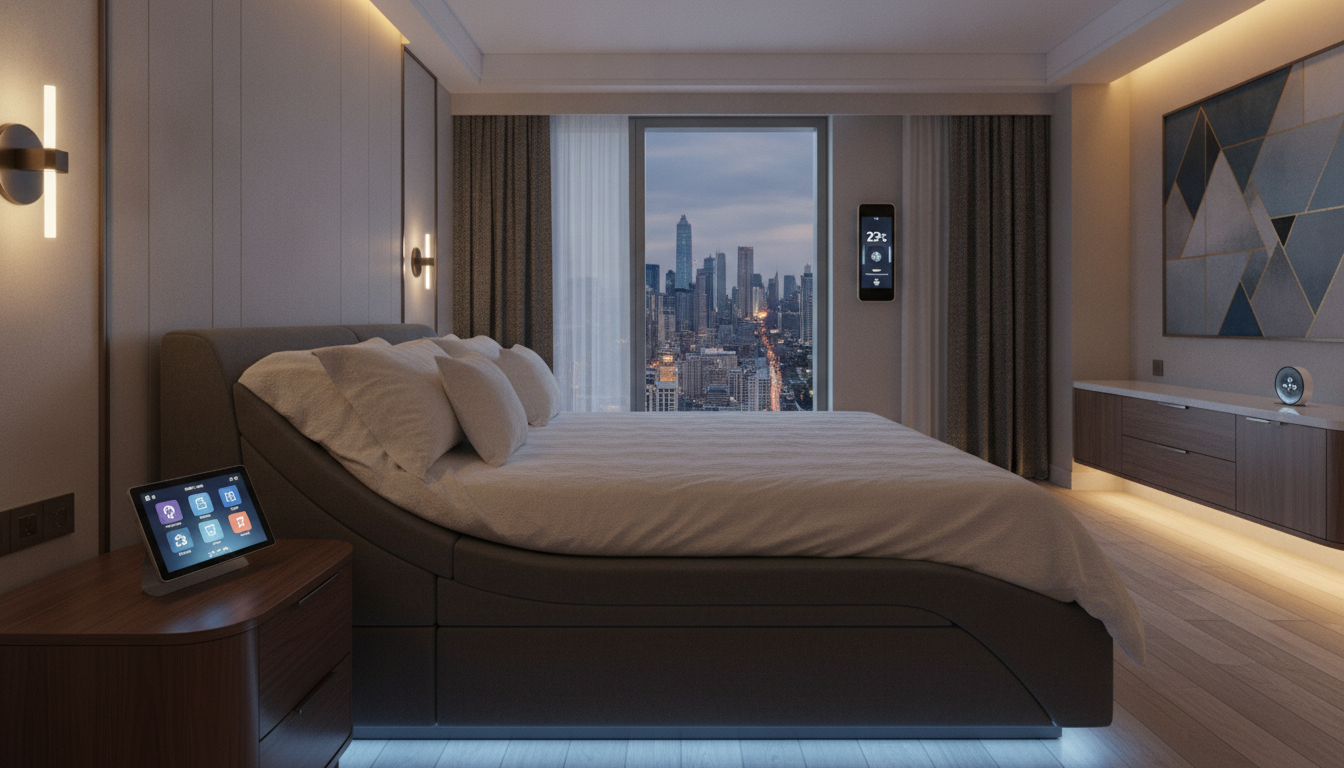
The hospitality landscape is shifting rapidly as travelers demand more personalized experiences. As George Dfouni wisely noted, “True hospitality is not just about providing a bed; it is about creating an environment where the guest feels understood before they even ask.” This philosophy drives the modern push toward smarter, more intuitive lodging environments.
Integrating cutting-edge tech for hotel rooms allows properties to anticipate guest needs with precision. By leveraging digital solutions, operators can streamline operations while boosting overall satisfaction. This transition is no longer a luxury but a vital necessity for any business aiming to thrive in a crowded market.
Staying ahead of these trends ensures that every visitor enjoys a seamless and memorable stay. Embracing innovation helps brands build lasting loyalty in an increasingly competitive world.
Key Takeaways
- Modern digital tools significantly elevate the standard of guest comfort.
- George Dfouni emphasizes that understanding guest needs is the core of hospitality.
- Smart systems allow for a more efficient and personalized travel experience.
- Adopting new innovations is essential for maintaining a competitive edge.
- Technology serves as a bridge to creating more welcoming environments for all travelers.
1. Introduction to Cutting-Edge Tech in Hospitality
A new era of hospitality is defined by the seamless integration of smart devices into the guest experience. Travelers today expect their temporary living spaces to mirror the convenience of their own homes. By implementing cutting-edge tech for hotel rooms, properties can meet these high expectations while setting themselves apart in a crowded market.
The Evolution of Hotel Room Technology
The journey of hotel amenities has moved far beyond simple paper maps and physical room keys. In the past, a television and a telephone were considered the height of luxury. Today, futuristic hotel room technology has transformed these spaces into interconnected digital ecosystems that respond to guest needs in real-time.
Modern rooms now feature centralized hubs that manage everything from lighting to climate control. This shift represents a fundamental change in how hotels interact with their visitors. By moving away from static environments, hotels create a more dynamic and responsive atmosphere for every traveler.
Benefits for Guests and Hotel Owners
The adoption of advanced systems provides clear advantages for both sides of the hospitality equation. Guests enjoy a personalized stay that feels intuitive and effortless. Meanwhile, hotel owners benefit from streamlined operations and improved data insights.
Key advantages of integrating these systems include:
- Increased Guest Loyalty: Personalized environments encourage repeat visits and positive reviews.
- Operational Efficiency: Automated systems reduce the burden on staff, allowing them to focus on high-touch service.
- Energy Management: Smart sensors lower utility costs by adjusting power usage based on room occupancy.
Ultimately, investing in futuristic hotel room technology is no longer just a luxury. It is a strategic necessity for any property aiming to thrive in the modern travel landscape. By embracing these innovations, hotels ensure they remain relevant and competitive for years to come.
2. Smart Room Controls: A Seamless Experience
Imagine walking into a room that already knows your preferred lighting and temperature settings. Today, futuristic hotel room technology is turning this vision into a reality for travelers across the United States. By removing the friction of manual adjustments, these systems allow guests to feel at home the moment they step through the door.
Modern travelers value convenience above all else. When a room responds to their presence, it creates a sense of luxury and ease that defines a high-quality stay. These advanced hotel room systems are designed to be intuitive, ensuring that even the least tech-savvy guest can enjoy a personalized environment.
Personalized Lighting Options
Lighting plays a crucial role in setting the mood of any space. Guests can now use bedside tablets or voice commands to adjust brightness levels or change color temperatures to suit their needs. Whether they are working at a desk or winding down for the night, the control is entirely in their hands.
- Scene Presets: One-touch buttons for “Relax,” “Work,” or “Bright” modes.
- Motion Sensors: Lights that gently illuminate pathways when a guest gets up at night.
- Smart Dimming: Smooth transitions that prevent harsh glare during evening hours.
Temperature Regulation for Comfort
Maintaining the perfect climate is essential for a restful night. Advanced hotel room systems utilize smart thermostats that learn from guest behavior to optimize energy use without sacrificing comfort. These systems often integrate with occupancy sensors to ensure the room remains at the ideal temperature only when it is actually in use.
“The ultimate goal of hospitality technology is to make the guest feel that the room is an extension of their own personal space, anticipating their needs before they even ask.”
By leveraging futuristic hotel room technology, hotels can provide a consistent and comfortable experience. Guests no longer need to struggle with confusing dials or outdated wall units. Instead, they enjoy a seamless, automated environment that adapts to their unique preferences throughout their entire stay.
3. Innovative Entertainment Solutions
Today, the best hotels are transforming downtime into a premium experience through high-tech entertainment. Modern travelers expect their hotel rooms to feel just as connected and entertaining as their own living rooms. By adopting innovative hotel amenities, properties can ensure that every guest feels right at home from the moment they check in.
Smart TVs and Streaming Services
The days of limited cable channels are fading quickly. Many properties now feature advanced hotel room systems that allow guests to log into their personal streaming accounts directly on the room’s television. This seamless integration means travelers can pick up exactly where they left off on their favorite shows or movies.
These systems prioritize user privacy by automatically clearing login credentials upon checkout. This level of convenience makes the room feel like a personal sanctuary rather than just a place to sleep. It is a simple yet effective way to cater to the digital habits of today’s tech-savvy guests.
Virtual Reality Experiences for Guests
Beyond standard screens, some forward-thinking hotels are introducing virtual reality to elevate the guest experience. These innovative hotel amenities provide immersive tours of local landmarks or relaxing digital environments that help guests unwind after a long day. By offering these unique digital escapes, a hotel can easily differentiate itself from its competitors.
Integrating advanced hotel room systems like VR headsets allows for a truly memorable stay. Guests often appreciate the opportunity to explore new worlds without ever leaving the comfort of their suite. This technology creates a lasting impression that encourages repeat visits and positive reviews.
4. Enhanced Connectivity Features
Modern travelers view reliable internet access as a fundamental necessity rather than a luxury. Whether they are checking emails, attending virtual meetings, or streaming content, guests expect a seamless digital experience from the moment they check in.
Hotels that prioritize innovative hotel amenities understand that a stable connection is the heartbeat of a productive stay. By investing in robust infrastructure, properties ensure that guests remain connected without frustration or downtime.
High-Speed Wi-Fi Accessibility
High-speed Wi-Fi has evolved into a baseline requirement for any property aiming to attract business and leisure travelers alike. Guests often carry multiple devices, and they require a network that supports high bandwidth for video conferencing and large file transfers.
“Connectivity is the invisible thread that binds the modern travel experience together, turning a simple room into a personal office or a private cinema.”
To maintain excellence, many hotels now offer tiered internet packages or dedicated bandwidth for premium members. This approach ensures that critical tasks are never interrupted by network congestion, providing a stress-free environment for every visitor.
User-Friendly Charging Stations
Beyond wireless signals, the physical ability to power devices is equally vital. Next-generation hotel room technology focuses on accessibility, ensuring that power outlets and USB ports are located exactly where guests need them most.
Modern room designs now integrate charging solutions directly into furniture, such as nightstands and desks. This eliminates the need for guests to crawl under furniture to find a spare outlet. These stations typically include:
- Universal USB-A and USB-C ports for fast charging.
- Wireless charging pads built into bedside surfaces.
- Easy-to-reach power strips for laptops and tablets.
By implementing these thoughtful upgrades, hotels demonstrate a commitment to convenience. This next-generation hotel room technology creates a welcoming space that respects the guest’s need to stay powered up and ready for the day ahead.
5. Health and Wellness Technology
Today, a hotel room is more than just a place to sleep; it is a sanctuary for personal wellness. Travelers now expect smart hotel room features that actively support their physical and mental health throughout their stay.
By integrating advanced systems, hotels can create environments that promote relaxation and rejuvenation. This shift reflects a broader commitment to guest care that goes beyond basic hospitality services.
Air Quality Monitoring Systems
Maintaining a clean and breathable atmosphere is essential for a comfortable stay. Many properties now utilize next-generation hotel room technology to track indoor air quality in real-time.
These systems detect pollutants, humidity levels, and carbon dioxide concentrations. When air quality drops, the system automatically adjusts ventilation or activates air purification units to ensure the environment remains fresh and healthy.
Smart Bed Technologies for Better Sleep
Quality sleep is often the top priority for guests, and modern technology is making it easier to achieve. Smart beds now offer personalized comfort settings that adapt to individual preferences.
These beds can adjust firmness, elevation, and even temperature to help guests fall asleep faster. By tracking sleep patterns, these systems provide data that helps guests wake up feeling truly refreshed.
“Sleep is the single most effective performance enhancer for the human body, and hotels that prioritize this are setting a new standard for the industry.”
| Wellness Feature | Primary Benefit | Technology Type |
|---|---|---|
| Air Purifiers | Removes Allergens | Automated Sensor |
| Smart Mattresses | Improved Sleep Quality | Pressure-Sensitive |
| Circadian Lighting | Regulates Sleep Cycle | Smart Bulb System |
Investing in these smart hotel room features allows properties to stand out in a competitive market. As next-generation hotel room technology continues to evolve, the focus on guest wellness will likely remain a central pillar of the modern travel experience.
6. Automation for Effortless Service
Modern hospitality is shifting toward a model where guest needs are met through seamless digital interactions. By implementing smart hotel room features, properties can now offer a level of convenience that was previously unimaginable. This transition allows guests to enjoy a more private and efficient stay without the need for constant front desk interaction.
Voice-Controlled Room Assistants
Voice-activated technology has become a staple in the modern travel experience. These state-of-the-art hotel room devices allow guests to adjust lighting, set alarms, or request fresh towels using simple verbal commands. This hands-free approach ensures that assistance is always available at a moment’s notice.
Guests appreciate the ability to get information about local attractions or hotel amenities without picking up a phone. It creates a frictionless environment where the room responds directly to the user. This technology effectively bridges the gap between high-tech innovation and genuine comfort.
Mobile Apps for Room Management
Mobile applications have transformed the way travelers interact with their accommodations. Through a single interface, guests can manage their entire stay, from digital check-in to controlling the room’s climate. These state-of-the-art hotel room devices empower users to customize their environment before they even step through the door.
The integration of these apps provides a truly personalized experience for every visitor. Whether it is unlocking the door with a smartphone or ordering room service, the process is designed to be intuitive. Hotels that adopt these smart hotel room features often see higher satisfaction scores due to the increased autonomy provided to their guests.
| Service Category | Traditional Method | Automated Solution |
|---|---|---|
| Room Requests | Phone call to front desk | Voice assistant or app |
| Check-in Process | Physical desk interaction | Mobile app keyless entry |
| Room Controls | Manual switches/dials | Centralized digital interface |
7. Sustainable Tech in Hotel Design
Modern hotels are increasingly blending luxury with environmental responsibility through smart technology. By prioritizing green initiatives, properties can significantly lower their carbon footprint without sacrificing the high-end experience guests expect. This shift toward sustainability ensures that comfort and conservation go hand in hand.
Energy-Efficient Appliances
The implementation of modern hotel room gadgets allows for precise control over energy consumption. Smart thermostats and automated lighting systems adjust based on room occupancy, ensuring that power is never wasted in empty spaces. These systems provide a seamless way for hotels to maintain optimal comfort while actively reducing energy waste.
Beyond climate control, energy-efficient appliances like smart refrigerators and low-power entertainment hubs contribute to a smaller environmental impact. These devices are designed to operate at peak efficiency, which helps hotel owners manage utility costs effectively. Guests benefit from a quiet, high-tech environment that aligns with their personal values regarding the planet.
Eco-Friendly Systems for Water Use
Water conservation is another critical area where technology makes a tangible difference. Many properties now utilize state-of-the-art hotel room devices to monitor water flow and detect leaks in real-time. These systems ensure that every drop is used responsibly, preventing unnecessary waste throughout the facility.
Smart showerheads and low-flow faucets are becoming standard features in eco-conscious designs. These fixtures maintain strong water pressure, ensuring that the guest experience remains luxurious and refreshing. By investing in these advanced solutions, hotels demonstrate a clear commitment to a greener future for the entire hospitality industry.
8. Safety and Security Innovations
The integration of advanced security systems is transforming how hotels manage guest safety. Today, travelers prioritize peace of mind as much as comfort when choosing their accommodations. By leveraging modern hotel room gadgets, properties can create a secure environment that protects both the guest and their personal belongings.
Smart Locks for Enhanced Security
Traditional key cards are quickly becoming a thing of the past as hotels adopt more sophisticated entry methods. Smart locks offer a seamless and highly secure alternative that reduces the risk of unauthorized access. These systems often allow guests to use their smartphones as digital keys, which adds a layer of convenience while maintaining strict access control.
Beyond convenience, these locks provide hotel management with real-time data regarding room entry. This capability ensures that staff can monitor activity logs, which significantly improves the overall safety profile of the building. Robust security protocols are essential to ensure that these digital keys remain encrypted and protected from potential cyber threats.
Advanced Surveillance Technology
Modern surveillance systems have evolved to provide comprehensive coverage without compromising the privacy of guests. Industry experts like George Dfouni emphasize that the implementation of these technologies must always balance safety with respect for personal space. By using discreet cameras in common areas and hallways, hotels can deter suspicious activity effectively.
These systems often utilize artificial intelligence to detect unusual patterns or unauthorized movement in restricted zones. When integrated with other modern hotel room gadgets, they form a cohesive security network that alerts staff instantly to potential issues. This proactive approach allows hotels to maintain a safe atmosphere where guests can truly relax and enjoy their stay.
9. Personalized Guest Experiences Through AI
High-tech hotel accommodations are setting a new standard for service by using artificial intelligence to understand unique guest preferences. Instead of relying on generic service models, modern properties now utilize sophisticated algorithms to anticipate what a traveler might need during their stay. This proactive approach ensures that every guest feels truly valued and understood from the moment they check in.
AI-Driven Concierge Services
The integration of AI-driven concierge services has revolutionized how hotels handle guest inquiries. These digital assistants provide instant, accurate information around the clock, removing the need for guests to wait in long lines at the front desk. Whether a traveler needs a dinner reservation or local travel tips, the system responds with speed and precision.
“True hospitality is not just about meeting expectations; it is about anticipating the unspoken needs of the guest before they even realize they have them.”
Customized Recommendations
By analyzing past behavior and stated preferences, hotels can offer highly tailored suggestions that enhance the overall experience. Industry expert George Dfouni notes that these systems allow properties to move beyond one-size-fits-all service. When a hotel knows a guest’s favorite room temperature or preferred pillow type, it creates a sense of seamless comfort that keeps visitors coming back.
These personalized insights help staff members provide better service by focusing on what matters most to the individual. Guests benefit from a curated stay that feels like it was designed specifically for them. Key advantages of this data-driven approach include:
- Increased guest satisfaction through relevant, timely suggestions.
- Reduced friction in daily interactions with hotel staff.
- A deeper emotional connection between the guest and the brand.
10. The Future of Tech in Hotel Rooms
Travelers now expect a seamless digital journey from the moment they book a stay. Hotels that prioritize innovation create lasting impressions by meeting these modern needs. Integrating cutting-edge tech for hotel rooms remains the most effective way to stay ahead in a competitive market.
Emerging Trends in Hospitality
Predictive analytics and biometric authentication will soon define the standard for guest interactions. Brands like Marriott and Hilton already explore ways to make physical keys obsolete through secure mobile integration. These advancements ensure that high-tech hotel accommodations feel intuitive rather than overwhelming.
Preparing for Guest Expectations
Travelers value convenience and personalization above all else. Properties that invest in smart infrastructure today will lead the industry tomorrow. Adopting cutting-edge tech for hotel rooms allows owners to anticipate needs before guests even voice them. Providing high-tech hotel accommodations is no longer a luxury but a necessity for long-term success. Share your thoughts on which innovations you find most essential for your next trip.


Leave a Reply